$4,412.19
Tax included
×
Product Enquiry
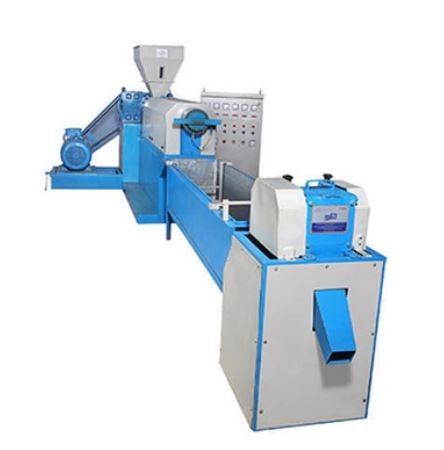
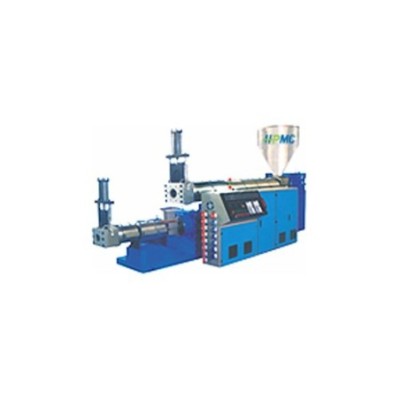
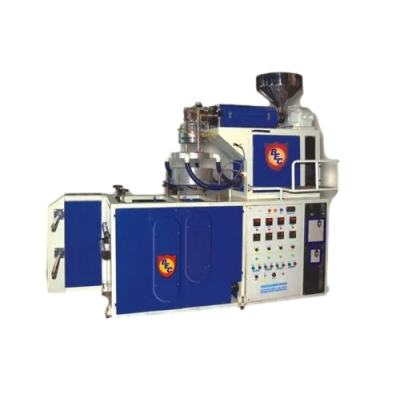
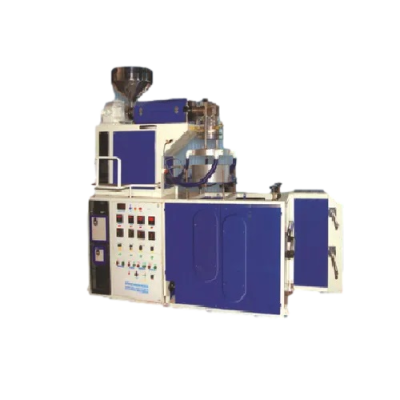
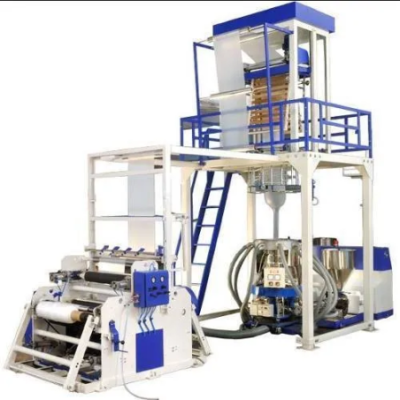
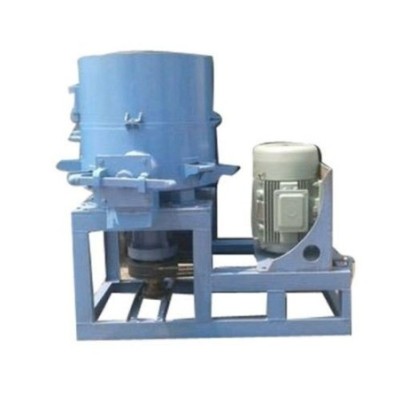
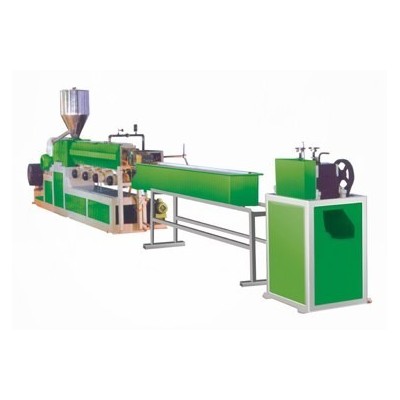
Plastic Waste Recycling Plant

World's First Climate Tech Platform | Free Delivery in India | Global Shipping

Shop with confidence knowing that our 24/7 Customer Support is always available to assist with any inquiries

Avail maximum benefits from input tax mechanism on all your Business Invoices. Get GST Invoices on your business purchases. And 0% Taxes on all worldwide deliveries

If you find this product anywhere at lower cost than us. Call us and we will not only match the price but also give a complimentary coupon

Shop with assurance, as each product we offer is 100% original, ensuring quality and authenticity with every purchase
| Country of Origin | India |
|---|---|
| Warranty | As per Manufacturer |
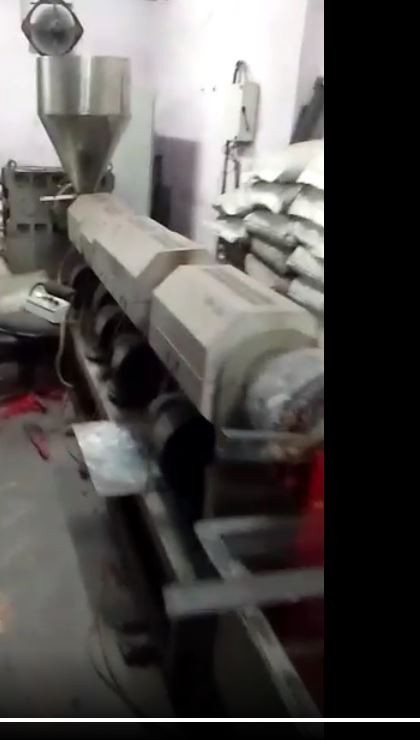
First, it reduces the melt pressure to atmospheric, so there is no tendency for the polymer to be pumped out the vent opening. That is accomplished by increasing the channel volume so that the output of the extruder only partially fills the flights under the vent.Two-stage screw is essentially two screws on the same shaft. The first works as a conventional screw by feeding, melting, and conveying the polymer forward. The second screw does the same, except it is melt-fed by the first screw. The first screw operates with no head pressure, while the second has to overcome any head pressure from the die and other downstream components. In order to keep the vent section of the screw from filling and developing vent flow, the second screw must have more output capacity than the first screw.Proper venting with no leakage or vent flow does not depend solely on the design of the screw. The barrel vent opening has to be fitted with a contoured plug called a diverter. The diverter deflects polymer away from the opening or else it will quickly become filled with melt. Its design is more of an art than a science but there are many variations that work, all using the same principles.Design of the vent section of the screw can be optimized for removing volatiles in applications such as devolatilizing printed films and resins that are highly hygroscopic. Another approach is to make a three-stage screw with two vent sections, thereby doubling the devolatilizing area.
Review sent
Your review cannot be sent

Shop with confidence knowing that our 24/7 Customer Support is always available to assist with any inquiries

Avail maximum benefits from input tax mechanism on all your Business Invoices. Get GST Invoices on your business purchases. And 0% Taxes on all worldwide deliveries

If you find this product anywhere at lower cost than us. Call us and we will not only match the price but also give a complimentary coupon

Shop with assurance, as each product we offer is 100% original, ensuring quality and authenticity with every purchase
| Country of Origin | India |
|---|---|
| Warranty | As per Manufacturer |
First, it reduces the melt pressure to atmospheric, so there is no tendency for the polymer to be pumped out the vent opening. That is accomplished by increasing the channel volume so that the output of the extruder only partially fills the flights under the vent.Two-stage screw is essentially two screws on the same shaft. The first works as a conventional screw by feeding, melting, and conveying the polymer forward. The second screw does the same, except it is melt-fed by the first screw. The first screw operates with no head pressure, while the second has to overcome any head pressure from the die and other downstream components. In order to keep the vent section of the screw from filling and developing vent flow, the second screw must have more output capacity than the first screw.Proper venting with no leakage or vent flow does not depend solely on the design of the screw. The barrel vent opening has to be fitted with a contoured plug called a diverter. The diverter deflects polymer away from the opening or else it will quickly become filled with melt. Its design is more of an art than a science but there are many variations that work, all using the same principles.Design of the vent section of the screw can be optimized for removing volatiles in applications such as devolatilizing printed films and resins that are highly hygroscopic. Another approach is to make a three-stage screw with two vent sections, thereby doubling the devolatilizing area.
Your review appreciation cannot be sent
Report comment
Report sent
Your report cannot be sent
Review sent
Your review cannot be sent
Plastic Waste Recycling Plant
Comments (0)
Your review appreciation cannot be sent
Report comment
Report sent
Your report cannot be sent