$35.43
$31.93
Tax included

World's First Climate Tech Platform | Free Delivery in India | Global Shipping

Shop with confidence knowing that our 24/7 Customer Support is always available to assist with any inquiries

Avail maximum benefits from input tax mechanism on all your Business Invoices. Get GST Invoices on your business purchases. And 0% Taxes on all worldwide deliveries

If you find this product anywhere at lower cost than us. Call us and we will not only match the price but also give a complimentary coupon

Shop with assurance, as each product we offer is 100% original, ensuring quality and authenticity with every purchase
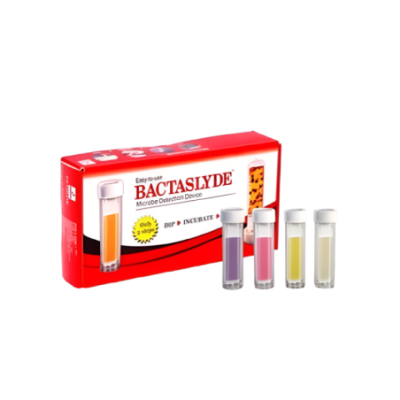
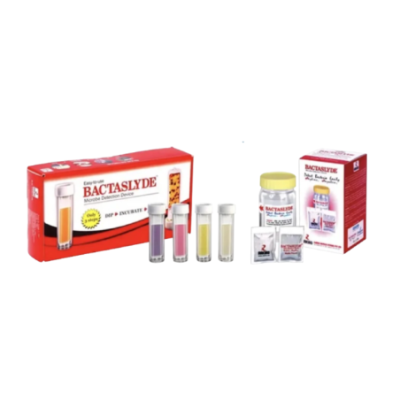
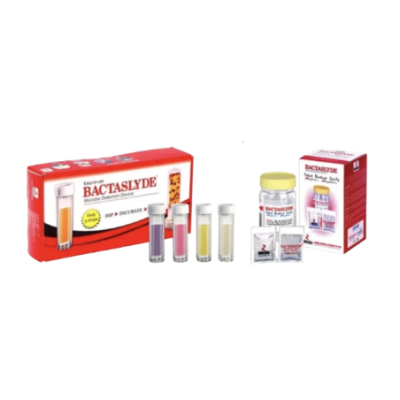
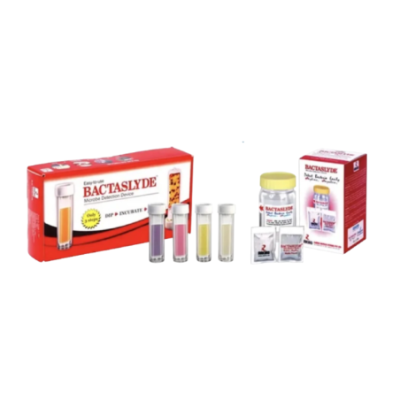
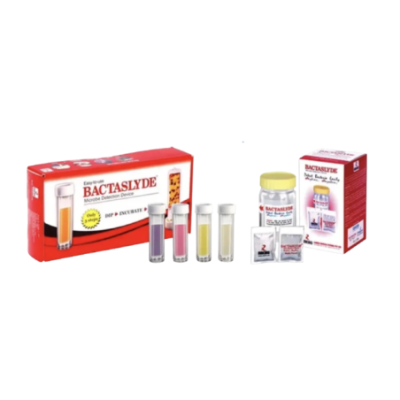
| Type | Quantitative |
|---|---|
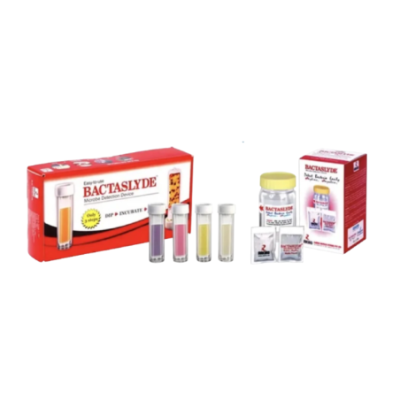
| Packaging Type | Plastic Case |
| Model | BS125 |
| Number Of Tests | 5 |
Algae the plant like microorganisms are prolific invaders of the open exposed parts of cooling systems such as the tower and the pond areas. They will grow rapidly if conditions are right and only require light; CO2 and water to synthesize their growth. Algae are often visible as green felt-like mats in internal sections of cooling towers that are wet and accessible to sunlight. Algal growth is extremely unsightly and will reduce the efficiency of the cooling tower as a heat exchanger. Loosened deposits will block and foul pipe work and other heat exchange surfaces. The dead cells contribute to the formation of the complex organic material Humus which supports the growth of other microorganisms particularly the anaerobic types. Filamentous and capsulated colonial algae coat splash packing thus interfering with the formation of droplets which aid intimate contact of water and air. Algal growth prevents rainwater from wetting film packing and forming thin films which are Algae also secrete a mucilaginous sheath much like the slime layer in bacteria. The mucilage of the blue-green algae in particular is associated with a peculiar form of movement called gliding that is exhibited when the organism is in contact with a firm surface. These sticky secretions may contribute significantly to complications in cooling systems such as clogged screens and fouled heat exchangers. Many algae produce within their cells malodorous oils and poisonous cyclic alcohols these are released when the organisms die and may cause foul odours.
Review sent
Your review cannot be sent

Shop with confidence knowing that our 24/7 Customer Support is always available to assist with any inquiries

Avail maximum benefits from input tax mechanism on all your Business Invoices. Get GST Invoices on your business purchases. And 0% Taxes on all worldwide deliveries

If you find this product anywhere at lower cost than us. Call us and we will not only match the price but also give a complimentary coupon

Shop with assurance, as each product we offer is 100% original, ensuring quality and authenticity with every purchase
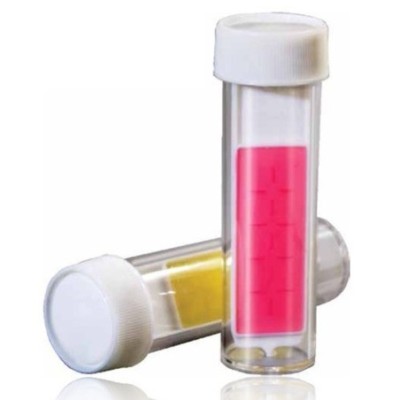
| Type | Quantitative |
|---|---|
| Packaging Type | Plastic Case |
| Model | BS125 |
| Number Of Tests | 5 |
Algae the plant like microorganisms are prolific invaders of the open exposed parts of cooling systems such as the tower and the pond areas. They will grow rapidly if conditions are right and only require light; CO2 and water to synthesize their growth. Algae are often visible as green felt-like mats in internal sections of cooling towers that are wet and accessible to sunlight. Algal growth is extremely unsightly and will reduce the efficiency of the cooling tower as a heat exchanger. Loosened deposits will block and foul pipe work and other heat exchange surfaces. The dead cells contribute to the formation of the complex organic material Humus which supports the growth of other microorganisms particularly the anaerobic types. Filamentous and capsulated colonial algae coat splash packing thus interfering with the formation of droplets which aid intimate contact of water and air. Algal growth prevents rainwater from wetting film packing and forming thin films which are Algae also secrete a mucilaginous sheath much like the slime layer in bacteria. The mucilage of the blue-green algae in particular is associated with a peculiar form of movement called gliding that is exhibited when the organism is in contact with a firm surface. These sticky secretions may contribute significantly to complications in cooling systems such as clogged screens and fouled heat exchangers. Many algae produce within their cells malodorous oils and poisonous cyclic alcohols these are released when the organisms die and may cause foul odours.

Your review appreciation cannot be sent
Report comment
Report sent
Your report cannot be sent
Review sent
Your review cannot be sent
Comments (0)
Your review appreciation cannot be sent
Report comment
Report sent
Your report cannot be sent